

Competencies
During my MFA in Media Design, I developed a wide range of creative skills. I also gained strategic skills. These have shaped my approach to professional practice. This page highlights the core competencies that reflect my growth as a designer. They also align with my long-term career goals. Each competency represents a key area of mastery built through hands-on projects, research, iteration, and critique.
1. Writing for Audio: Radio & Podcasts
Writing for audio sharpened my ability to communicate clearly and vividly using only words, sound effects, and music. I learned how to script with rhythm, tone, and repetition to engage distracted listeners and create strong mental imagery. Through podcast scripting, I developed a conversational voice and learned the value of pacing, clarity, and structure. These skills make storytelling more human and impactful, crucial in brand campaigns and interviews. As a media professional, this ensures I can deliver compelling content across audio platforms.
2. Writing for Broadcast: Television Commercials and PSAs
Broadcast writing taught me how to structure narratives visually and emotionally within 15 to 60 seconds. I learned the power of three-act storytelling to introduce conflict, present a solution, and deliver a satisfying resolution. PSAs pushed me to craft authentic, mission-driven messages that inspire trust and action. These skills will allow me to write emotionally resonant brand spots, commercials, and nonprofit campaigns. Being able to connect with viewers through storytelling is vital in a media landscape flooded with content.
3. Sonic Branding: Designing with Sound
I learned how to strategically design with sound—crafting brand-aligned tones and sound effects that reinforce identity and improve user interaction. Using subtractive and additive sound principles, I explored how sound guides behavior and builds emotional connections. The concept of “Sonic DNA” showed me how to build consistent audio identities just like logos or color palettes. This competency helps me design multi-sensory experiences that strengthen brand recall and enhance usability. In a world where voice interfaces, digital products, and branded audio are expanding, sonic design is increasingly vital.
4. Rhythm and Pacing in Video Editing

This competency taught me how to use timing to influence viewer engagement, mood, and narrative flow. I learned when to speed up or slow down edits based on content type and emotional intent. Drawing from editors like Jay Lippman and Walter Murch, I developed a sensitivity to visual rhythm and transitions. These skills improve not only motion content but also how I sequence visual elements in static design. Rhythm and pacing help ensure my work feels intentional, cinematic, and emotionally attuned in a storyboard, ad, or campaign reel.
5. Art Direction: Visualizing Brand Voice Through Stylization

Art direction taught me how to visually lead a brand by using elements of design like color to shape a recognizable and emotional identity. I learned how to move from abstract brand ideas to tangible visuals that consistently reflect tone and purpose. Stylization techniques helped me design immersive systems and mood boards for campaigns and environments. This competency ensures I can take creative leadership roles where visual storytelling, consistency, and concept execution matter. In branding and content creation, a strong art direction skillset drives both message clarity and visual impact.
6. Design Strategy: Audience, Differentiation & Psychographics

This competency taught me how to align creative solutions with strategic goals by focusing on user needs, product benefits, and brand differentiation. I learned to move beyond surface-level demographics by applying psychographics such as motivations, values, and behaviors, to better connect with audiences. Using frameworks from George Felton and marketing strategists like Dan Shewan and Alisa Meredith, I became skilled in mapping how products solve real problems and how that message should be communicated. Understanding consumer behavior allowed me to craft purposeful, targeted visuals and messaging that speak directly to audience desires. As a media professional, this ensures every design I create is rooted in insight, intention, and market relevance.
7. Copywriting for Branding
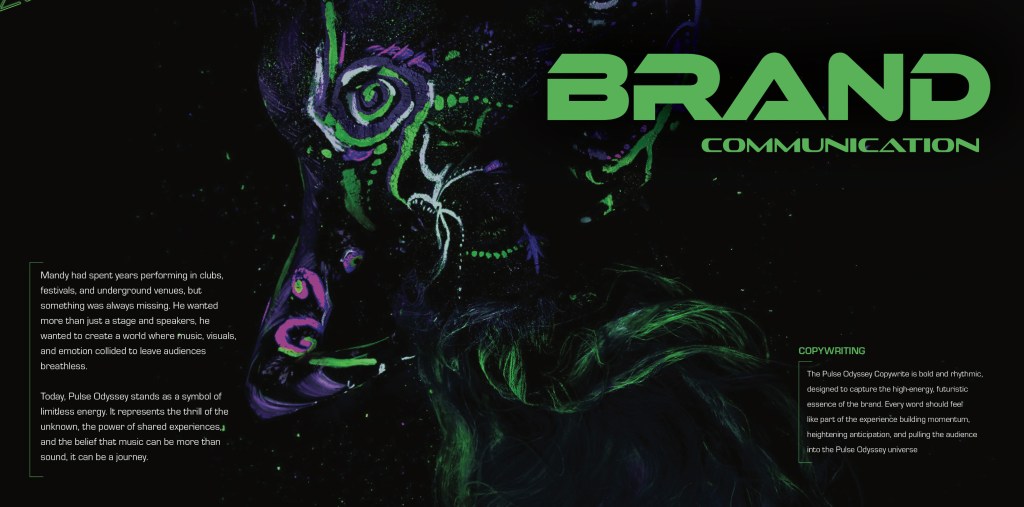
I learned to write in brand-specific voices that evoke emotional responses. Pulse Odyssey’s rhythmic, bold voice was crafted to reflect its electrifying tone. This skill allows me to connect visual and verbal storytelling. It gives brands a consistent personality across all content.
8. Self-Critique and Refinement
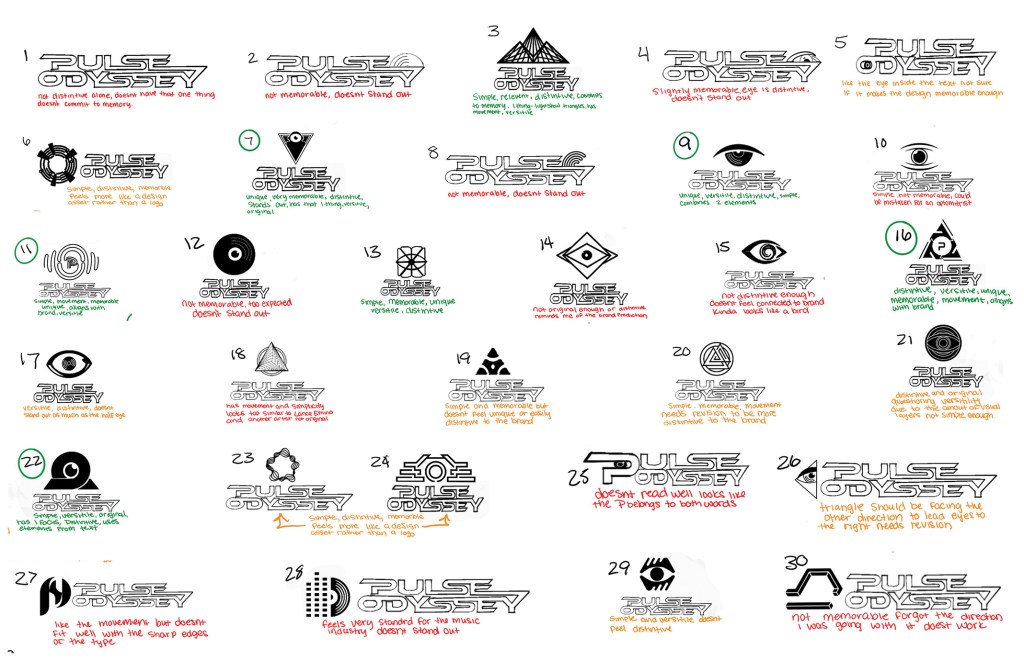

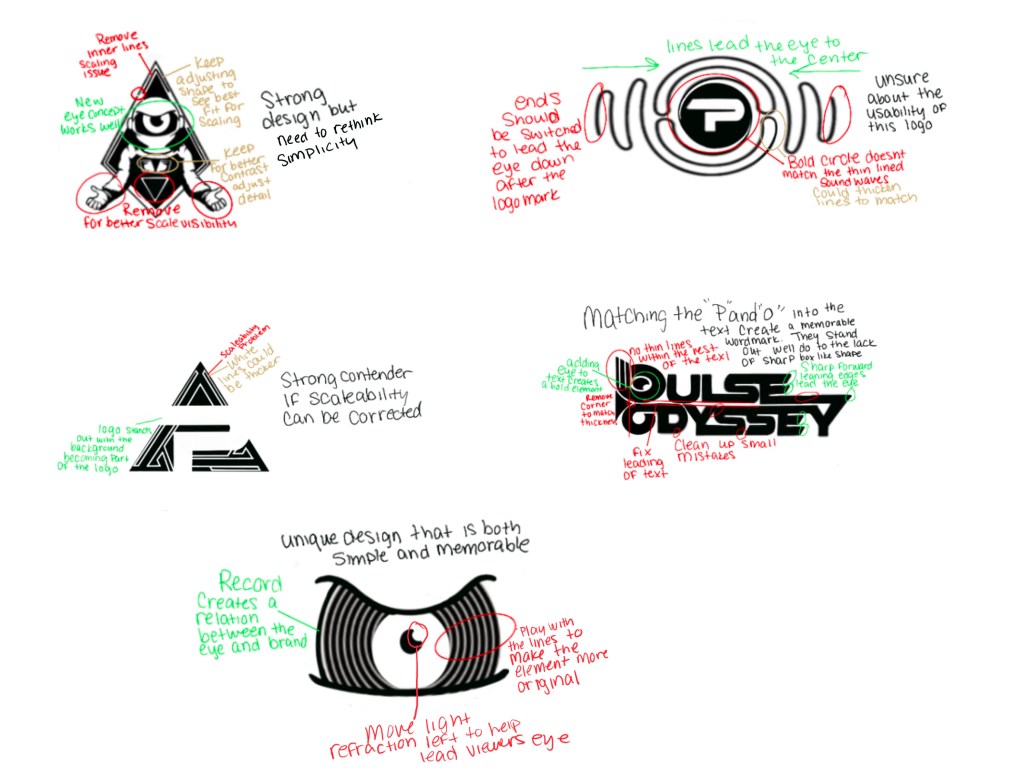
Through structured self-critique, I learned how to evaluate my work objectively and refine it with intention. I developed a process for assessing hierarchy, clarity, and brand alignment without relying on outside feedback. This mindset built creative discipline and resilience. It also improved my ability to explain and defend design decisions. As a professional, this helps me deliver polished, client-ready solutions that grow stronger through revision.
9. Project Management and Professionalism
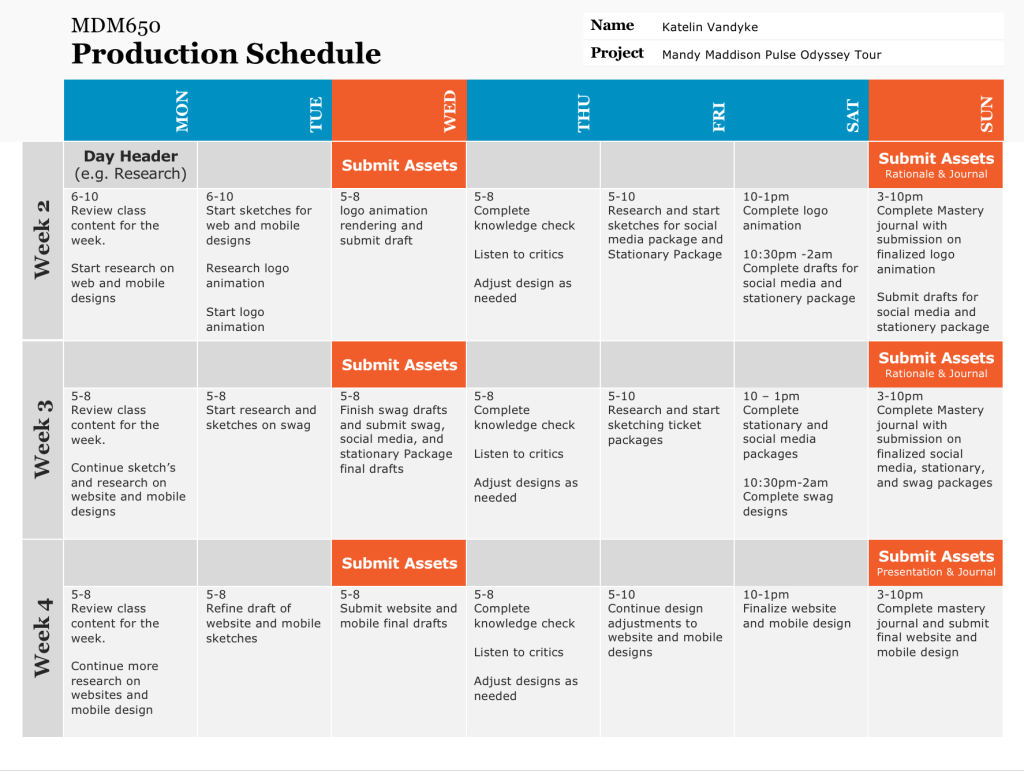
Managing a multi-week production schedule taught me how to balance design work with research, revision, and submission deadlines. I maintained version control, documented progress, and adjusted timelines based on critique, ensuring smooth transitions between assets like logo animation, web design, swag, and presentation materials. This structure allowed me to stay focused while juggling creative and technical demands. I also developed resilience and flexibility, adjusting work based on critique while keeping final goals in sight. These habits are essential for leading complex design projects professionally, from kickoff to delivery.
10. Color Theory and Emotional Design


I learned how to use color to evoke emotion and build atmosphere, especially within subcultures like EDM. For Pulse Odyssey, I selected neon green and purple for their cultural resonance and their ability to glow in dark environments, creating visual intensity across media. Applying color consistently across digital, print, and merch highlighted the challenges of translating neon into physical formats, prompting refinements for accessibility and practicality. This deepened my understanding of color’s technical and emotional roles in brand design. In my career, this ensures I can craft color systems that are both visually impactful and production-ready across any platform.
11. Presentation and Visual Storytelling through Video Rationales
Creating narrated video presentations taught me how to clearly explain design decisions using visuals, voice, and structure.. Producing these videos helped me articulate rationale with confidence and professionalism. The process also sharpened my ability to think visually and communicate ideas succinctly. In my career, this allows me to present work persuasively to clients, stakeholders, or teams—enhancing collaboration and trust in the design process.
12. Print and Merchandise Application
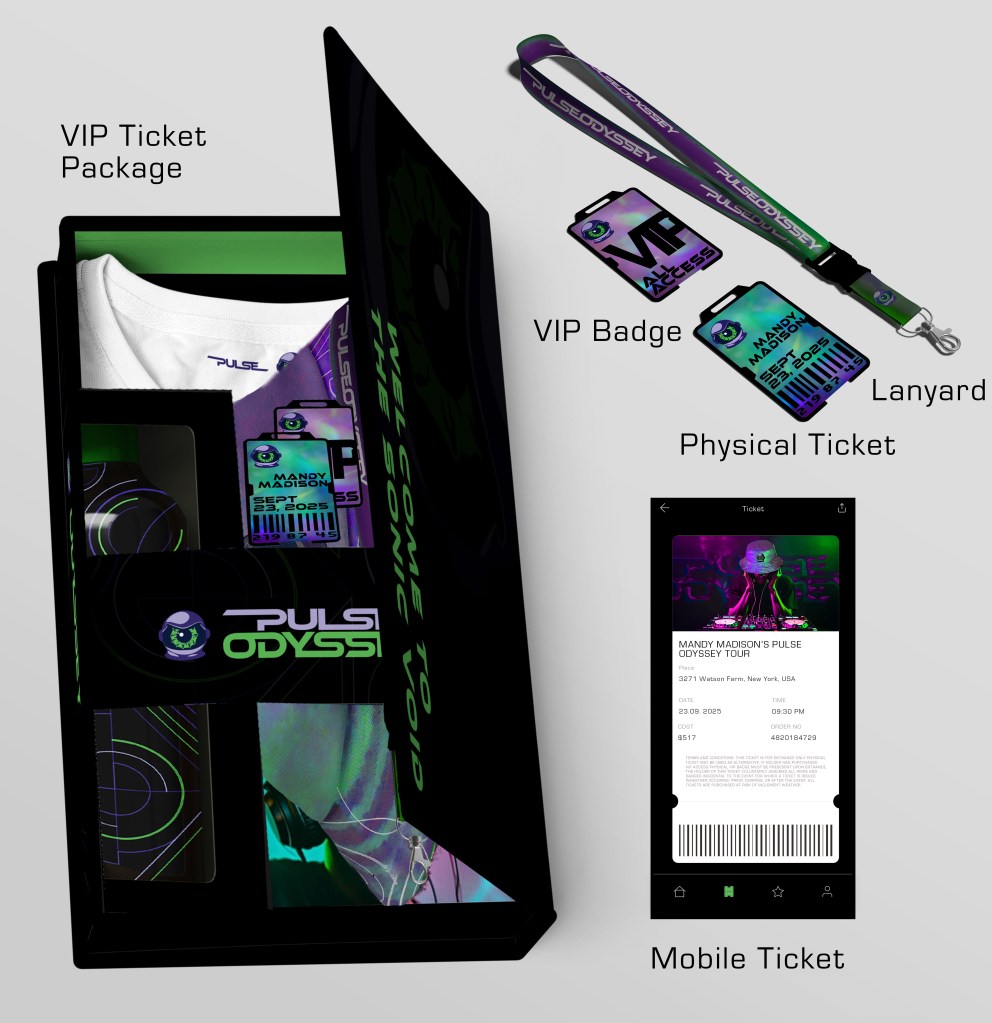
Designing across print formats like tickets, swag, folders, and business cards taught me about production constraints and opportunities. It strengthened my ability to adapt digital designs into tactile, branded experiences that extend beyond the screen.
13. Emotional and Experiential Branding
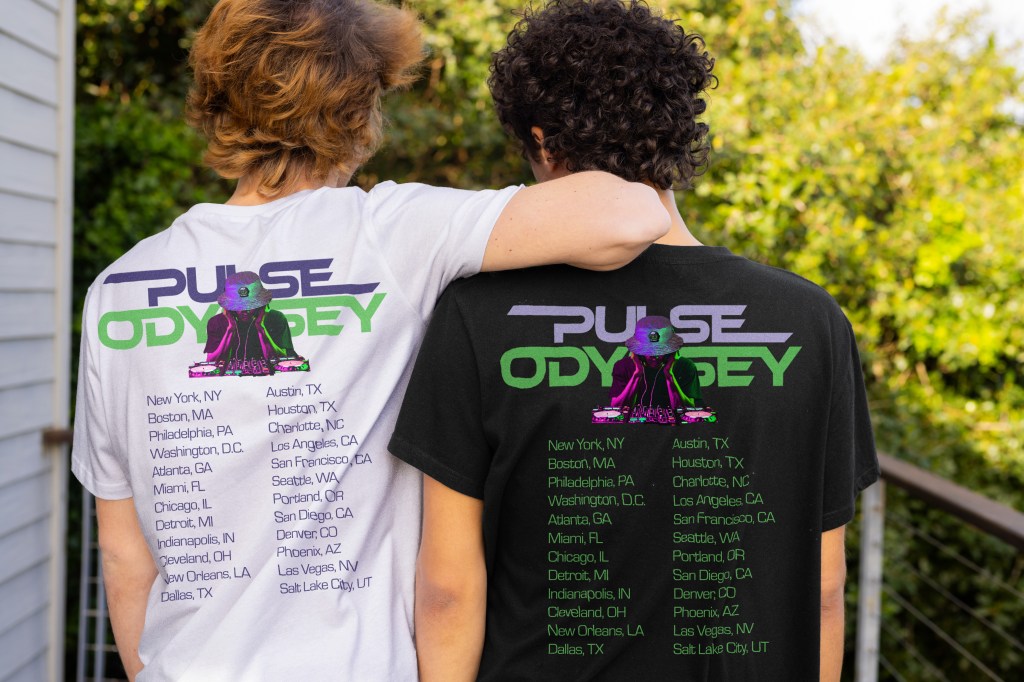
This competency taught me how to create brand experiences that go beyond visuals to evoke feeling and memory. I learned to connect brand messaging with audience desires for escape, energy, and belonging. Designing through the lens of emotion made the brand immersive and memorable. In my career, this empowers me to build brands that resonate deeply, turning one-time interactions into lasting relationships.
14. UX and UI Design Principles

User-centered design was at the core of building the Pulse Odyssey digital experience. I applied hierarchy. I used interaction feedback to create immersive interfaces. These interfaces reflect the brand’s energy. They effectively serve users on both desktop and mobile.
15. UX/UI Design and Navigation
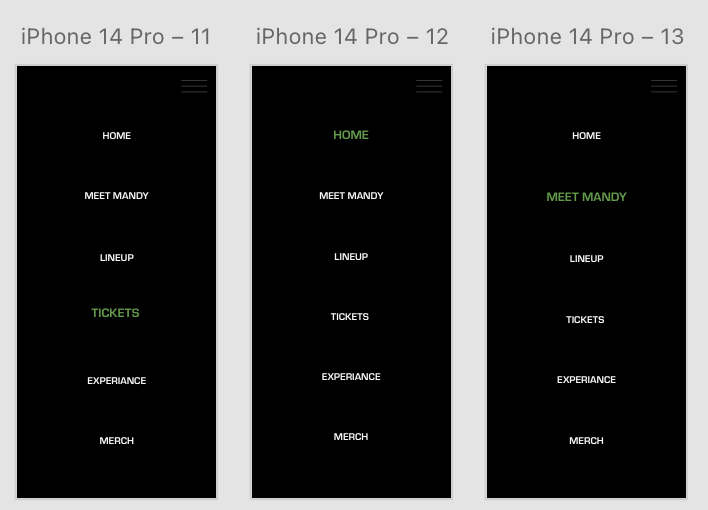
User experience design taught me how to prioritize intuitive layout, accessibility, and interaction flow in digital interfaces. I developed prototypes that guided users through branded environments like artist pages, ticket systems, and social media portals.. UI design reinforced consistency in buttons, spacing, and behavior. These skills allow me to build user-first experiences that are both immersive and functional.
 vndke.com